
Year-End Financial Statements: What Every Business Needs to Know
A practical guide to closing your books, checking your numbers, understanding business performance and preparing for the next financial year.
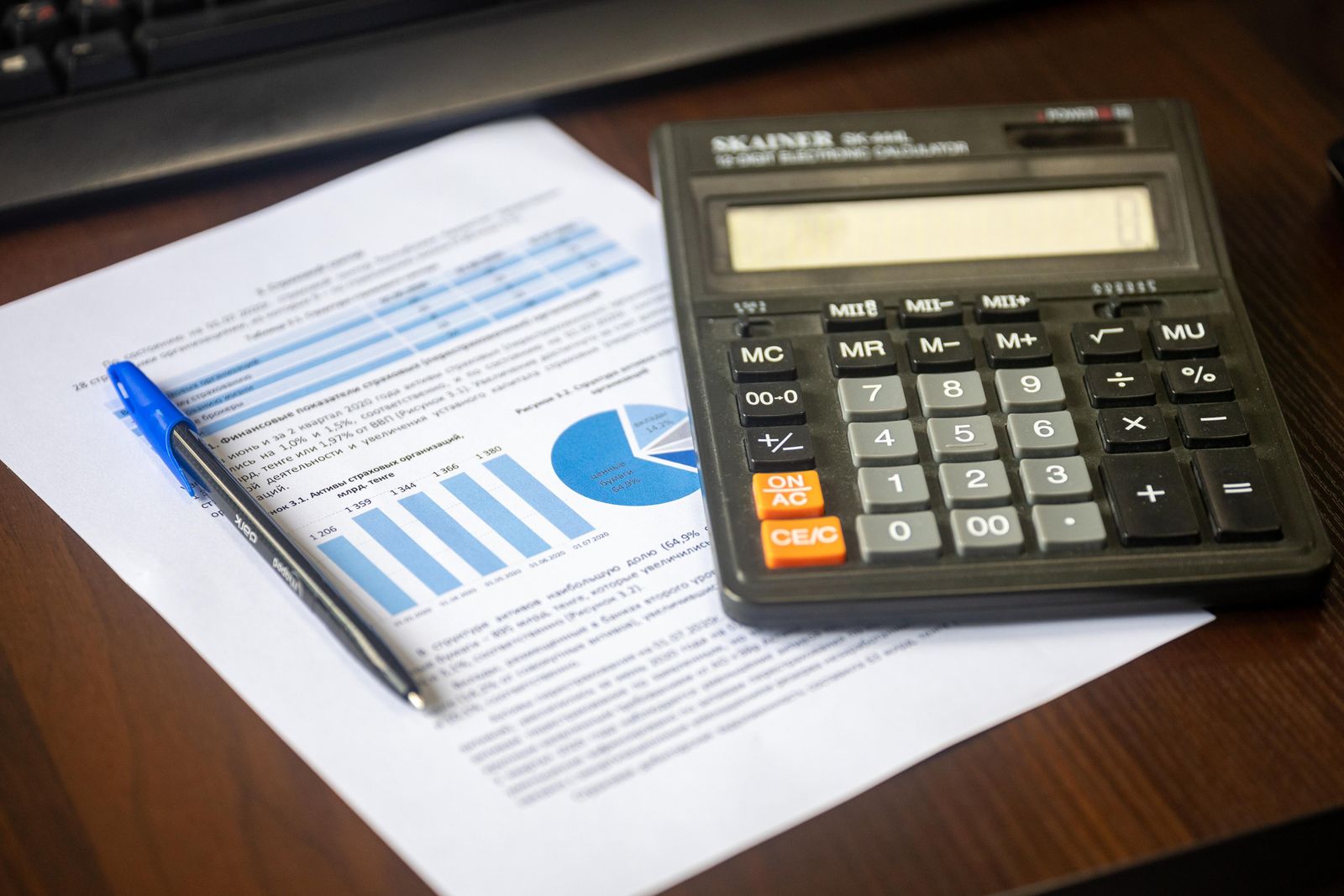
As the financial year comes to an end, many business owners want to know how much the business has sold, how much money is in the bank and how much customers still owe. Those are important questions, but they do not tell the whole story.
How financially healthy is the business, and can its accounting records support the figures being reported?
A company can report strong sales and still struggle to pay suppliers. It can make an accounting profit while having very little cash available. It can also appear more profitable than it really is because expenses, stock losses, depreciation or doubtful customer balances have not been properly recognised.
This is why year-end financial statements should be treated as more than a year-end accounting exercise. They help owners and management understand financial performance, financial position, cash generation, obligations and the decisions that need to be made next.
1. What Are Year-End Financial Statements?
Year-end financial statements are formal accounting reports prepared for a defined financial reporting period. They communicate an organisation's financial performance and financial position and, where required, its cash flows, changes in equity and supporting disclosures.
For example, a business whose reporting period ends on 31 December 2026 will generally prepare its annual financial information for the year from 1 January to 31 December 2026. A business with a 30 June year-end will report on a different twelve-month period.
The reporting date matters. The statement of financial position shows balances at that date, while the statement of profit or loss and statement of cash flows explain activity during the reporting period.
2. The Main Financial Statements Every Business Owner Should Understand
The precise set of statements required depends on the applicable financial reporting framework, the entity's legal form and relevant company-law requirements. A typical complete set under IFRS includes the following:
2.1 Statement of Profit or Loss and Other Comprehensive Income
This report explains financial performance over a period. It normally presents revenue, cost of sales, gross profit, operating expenses, finance costs, tax expense and profit or loss. Other comprehensive income is presented where applicable.
Practical example: A trading business records the following illustrative figures:
| Description | Amount (₦) |
|---|---|
| Revenue | 50,000,000 |
| Cost of sales | (32,000,000) |
| Gross profit | 18,000,000 |
| Operating expenses | (10,000,000) |
| Finance costs | (1,000,000) |
| Profit before tax | 7,000,000 |
The example shows why sales revenue is not the same as profit. The business generated ₦50 million in revenue, but its profit before tax is ₦7 million after the expenses shown. The actual tax expense must be determined through a separate tax computation using the applicable rules.
2.2 Statement of Financial Position (Balance Sheet)
The statement of financial position shows what the business controls and owes at the reporting date. Its core elements are assets, liabilities and equity.
Illustrative example:
| Description | Amount (₦) |
|---|---|
| Cash and bank | 3,000,000 |
| Trade receivables | 7,000,000 |
| Inventory | 10,000,000 |
| Property and equipment | 15,000,000 |
| Total assets | 35,000,000 |
| Trade payables | 6,000,000 |
| Bank loan | 9,000,000 |
| Total liabilities | 15,000,000 |
| Equity | 20,000,000 |
| Total liabilities and equity | 35,000,000 |
The business has assets of ₦35 million, liabilities of ₦15 million and equity of ₦20 million. This does not mean it has ₦35 million in cash. Much of its assets are tied up in inventory, receivables and equipment.
2.3 Statement of Cash Flows
The cash flow statement explains movements in cash and cash equivalents, commonly grouped into:
- Operating activities: cash generated or used by the business's main operations.
- Investing activities: cash used to acquire or received from disposing of long-term assets and investments.
- Financing activities: cash received from or repaid to lenders and owners, including qualifying borrowings, repayments and distributions.
A business can report a profit and still experience cash pressure. Credit sales may increase receivables without bringing in cash. Inventory purchases, capital expenditure and loan repayments can also absorb cash. Profit and cash flow answer different questions, so management should review both.
2.4 Statement of Changes in Equity
This statement explains movements in owners' interests during the reporting period, such as additional capital, profit or loss, dividends or drawings, and movements in reserves.
For a sole proprietor, a simplified capital movement might look like this:
| Description | Amount (₦) |
|---|---|
| Opening capital | 10,000,000 |
| Additional capital | 2,000,000 |
| Profit for the year | 5,000,000 |
| Less: drawings | (3,000,000) |
| Closing capital | 14,000,000 |
For companies, the presentation of share capital, retained earnings, reserves and dividends follows the applicable reporting requirements.
2.5 Notes to the Financial Statements
The notes explain accounting policies, provide breakdowns of material balances and disclose information that helps users interpret the statements. Depending on the entity and reporting framework, notes may cover property and equipment, borrowings, related-party transactions, provisions, contingencies, commitments, tax balances and other material matters.
A financial statement should not simply present a number; it should provide enough context for users to understand what that number represents.
3. What Every Business Must Do Before Preparing Year-End Financial Statements
Do not begin by simply printing reports from accounting software. First confirm that transactions are complete, balances are supported and necessary adjustments have been identified. The following procedures form a practical year-end close process.
Step 1: Update All Accounting Records
Confirm that all transactions relating to the reporting period have been recorded and classified correctly. Review sales invoices, purchase invoices, customer receipts, supplier payments, bank transactions, petty cash, payroll, loans, asset purchases, tax payments and owner transactions. A well-designed chart of accounts makes it easier to classify transactions consistently and produce meaningful financial reports. You can also follow BMC's practical Zoho Books chart-of-accounts and bookkeeping tutorials.
Example: If a customer paid ₦500,000 before year-end but the receipt was not posted, cash and the customer's outstanding balance may both be misstated. If equipment was incorrectly posted as an ordinary expense, profit and non-current assets may also be misstated.
Step 2: Reconcile Every Bank Account
Compare each bank account in the ledger with the corresponding bank statement at the reporting date. Investigate unpresented payments, deposits in transit, bank charges, interest, direct debits, reversals, duplicate entries and unidentified transfers.
Example: If the accounting system shows ₦4,850,000 while the bank statement shows ₦4,720,000, investigate the ₦130,000 difference. Do not force the ledger to match the bank statement without identifying the underlying reconciling items. For a practical software walkthrough, see BMC's Zoho Books training resources, which cover manual bank setup and bank reconciliation, or our QuickBooks implementation and training support.
Step 3: Review Customer Balances (Trade Receivables)
Generate a receivables ageing report and review how long each invoice has remained unpaid. Follow up overdue balances, investigate disputes and assess whether the business expects to collect the amounts due. Under IFRS 9, an expected credit loss assessment may be required.
| Age of debt | Illustrative amount (₦) |
|---|---|
| 0–30 days | 2,000,000 |
| 31–60 days | 1,500,000 |
| 61–90 days | 1,000,000 |
| Above 90 days | 2,500,000 |
| Total receivables | 7,000,000 |
Do not assume every overdue invoice is irrecoverable. Review customer history, correspondence, subsequent receipts, security and other available evidence before determining the appropriate allowance or write-off.
Step 4: Reconcile Supplier Balances (Trade Payables)
Compare supplier statements with the accounts payable ledger. Check for missing invoices, duplicate postings, unallocated payments, credit notes, supplier advances, disputed balances and goods received but not yet invoiced.
If your ledger shows ₦850,000 payable but a supplier statement shows ₦1,050,000, investigate the ₦200,000 difference and document the resolution.
Step 5: Conduct a Physical Inventory Count
Businesses that hold stock should count inventory and compare the results with inventory records. Identify damaged, expired, obsolete, missing or slow-moving items. Also consider goods in transit, goods held by third parties and goods held on behalf of others.
Example: The stock system reports 500 bags at ₦30,000 each, or ₦15 million. A physical count finds 460 bags. The 40-bag difference represents ₦1.2 million at the recorded unit cost and must be investigated before the accounts are finalised.
Inventory is generally measured at the lower of cost and net realisable value under IAS 2, subject to the applicable framework and circumstances. If your business uses a digital inventory system, BMC's Zoho Inventory training resources include stock reporting and inventory valuation topics such as FIFO and weighted average.

Step 6: Review Fixed Assets and Depreciation
Update the fixed asset register for computers, vehicles, machinery, furniture, buildings and other qualifying assets. Check additions, disposals, assets no longer in use, physical existence, useful lives, residual values and depreciation methods.
Example: A computer costs ₦1,200,000, has an estimated useful life of four years and no residual value. Under the straight-line method, annual depreciation is ₦300,000, assuming it was available for use for the full year.
Accounting depreciation is not the same as tax capital allowance. They serve different purposes and may produce different amounts.
Step 7: Identify Accrued Expenses
Recognise expenses that relate to the reporting period even if the invoice has not arrived or payment has not been made, where the recognition criteria are met. Examples may include salaries, utilities, audit fees, professional fees, accrued interest and services already received.
If a consultant provided services in December but invoices in January, assess whether an expense and corresponding liability should be recognised in the December reporting period.
Step 8: Review Prepayments
Where a business pays for a service in advance, allocate the cost to the periods receiving the service rather than automatically expensing the full payment immediately.
Example: A business pays ₦1,200,000 for rent covering October 2026 to September 2027. Assuming the benefit is received evenly, three months' rent of ₦300,000 relates to October–December 2026, while ₦900,000 relates to the following nine months and remains a prepayment at 31 December 2026.
Step 9: Review Loans, Interest and Other Liabilities
Confirm loan principal, interest accrued, repayments, fees, overdue instalments and current versus non-current classification. Review tax balances, employee obligations, customer deposits, provisions and other liabilities to ensure that obligations existing at year-end have not been omitted.
4. Important Year-End Adjustments Businesses Often Overlook
Year-end adjustments help ensure that income, expenses, assets and liabilities are reported in the correct period and at appropriate amounts.
| Adjustment | Why it matters |
|---|---|
| Depreciation | Allocates an asset's depreciable amount over its useful life. |
| Accrued expenses | Recognises expenses incurred but not yet paid or invoiced. |
| Prepayments | Separates amounts relating to future periods from current-period expenses. |
| Inventory adjustment | Aligns stock records and valuation with the reporting date. |
| Expected credit losses | Reflects the risk that contractual receivables may not be fully collected. |
| Accrued income | Recognises income earned but not yet received when recognition criteria are met. |
| Loan interest | Recognises financing costs relating to the reporting period. |
| Tax expense and liabilities | Records the appropriate current and, where relevant, deferred tax effects. |
| Foreign currency remeasurement | Applies the relevant closing exchange rate to foreign-currency monetary items. |
Not every adjustment applies to every business. The correct treatment depends on the transaction, the applicable reporting framework and the facts available at the reporting date.
5. How to Know Whether Your Business Is Actually Performing Well
Preparing the statements is only the beginning. Business owners should interpret the numbers, compare them with prior periods and budgets, and investigate material changes.

5.1 Gross Profit Margin
This ratio measures the proportion of revenue remaining after cost of sales.
If revenue is ₦50 million and gross profit is ₦18 million, the gross profit margin is 36%. The business retains ₦36 as gross profit for every ₦100 of revenue before operating expenses and other costs.
A falling margin may indicate higher purchase costs, pricing pressure, discounts, wastage, stock losses or an unfavourable product mix. When presenting these trends to management, choose visuals that clarify the message rather than decorate the report. BMC explains this principle in 10 Data Visualization Sins That Make Your Dashboard Look Unprofessional.
5.2 Net Profit Margin
If profit after tax is ₦5.95 million on revenue of ₦50 million, the margin is 11.9%. This means the business retains approximately ₦11.90 after tax for every ₦100 of revenue, based on the illustrative figures.
5.3 Current Ratio
If current assets are ₦20 million and current liabilities are ₦10 million, the current ratio is 2:1. This indicates ₦2 of current assets for every ₦1 of current liabilities. However, the quality and timing of current assets matter: slow-moving stock and overdue receivables may not be readily available to settle obligations.
5.4 Receivables Collection Period
If average receivables are ₦5 million, annual credit sales are ₦30 million and the period is 365 days, the estimated collection period is approximately 61 days. If the normal credit term is 30 days, management should investigate why collections are taking longer.
5.5 Return on Assets
This ratio gives an indication of how efficiently a business uses its asset base to generate profit. Use average assets where appropriate and interpret the result in light of the business model, industry and asset intensity.
Important: Ratios are indicators, not conclusions. Compare them with prior years, budgets, cash-flow information and relevant industry benchmarks before making decisions.
6. Common Year-End Financial Reporting Mistakes to Avoid
- Mixing personal and business transactions. Record owner drawings, contributions, director transactions and business expenses in the correct accounts.
- Treating every bank receipt as revenue. Loans, capital contributions, refundable deposits, customer advances and transfers between own accounts are not automatically sales income.
- Ignoring overdue receivables. Review collectability and recognise appropriate expected credit losses where required.
- Leaving out expenses. Include expenses paid through cash, personal accounts or other channels when they are business expenses and recognition criteria are met.
- Accepting software stock figures without a count. Investigate differences between physical quantities and system records.
- Recording loans as income. A loan normally creates cash and a corresponding liability; it is not revenue.
- Ignoring depreciation and impairment. Review asset lives, depreciation and indicators of impairment.
- Preparing reports without supporting evidence. Material figures should be traceable to invoices, contracts, bank statements, schedules and reconciliations.
7. Understanding the Difference Between Accounting Profit and Taxable Profit
Accounting profit and taxable profit are not necessarily the same. Financial reporting applies the relevant accounting framework, while tax computations apply tax legislation. Differences can arise from depreciation, capital allowances, disallowable expenses, exemptions and other tax adjustments.
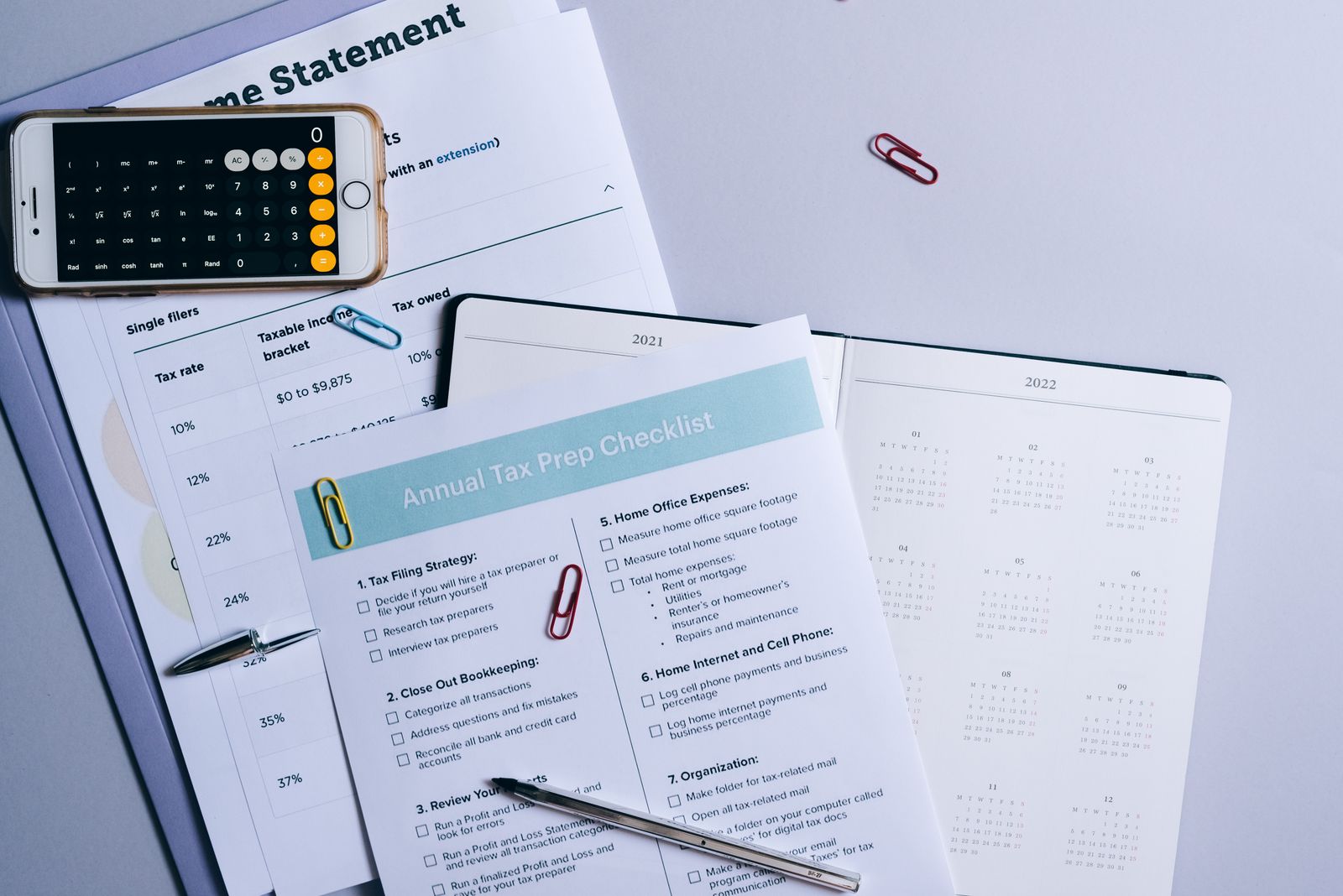
Simplified illustration:
| Description | Amount (₦) |
|---|---|
| Accounting profit before tax | 10,000,000 |
| Add back: accounting depreciation | 2,000,000 |
| Less: illustrative tax capital allowance | (1,500,000) |
| Illustrative adjusted amount before other tax adjustments | 10,500,000 |
This is not a complete tax computation and should not be used to calculate a tax liability. A proper computation must consider all relevant income, allowable and disallowable expenses, capital allowance rules, reliefs, applicable rates and the law for the relevant year of assessment.
Businesses should not simply apply a tax rate to accounting profit without first preparing the required tax computation. For support with tax filings and compliance processes, see BMC's bookkeeping and compliance services and browse the BMC blog archive – page 2 for additional business and tax updates.
For broader tax and compliance support, visit BMC's accounting, bookkeeping and tax compliance services.
8. Nigerian Statutory and Regulatory Considerations
Year-end financial statements may support statutory reporting, tax compliance, financing applications, management decisions and other regulatory obligations. The exact requirements depend on the entity's legal form, size, activities, reporting framework and applicable law.
For companies, the Companies and Allied Matters Act 2020 (CAMA) addresses accounting records and annual financial statements. In particular:
- Section 374 deals with the keeping of accounting records that sufficiently show and explain company transactions and financial position.
- Section 375 addresses the place, duration and form of accounting records, including preservation for six years and the keeping of electronic records subject to the statutory considerations.
- Section 377 addresses directors' duty to prepare annual financial statements and the matters to be included, subject to the provisions and exceptions in the Act.
Do not assume that every entity has identical reporting or audit requirements. CAMA contains provisions and exceptions for qualifying companies, and applicable financial reporting standards must also be considered.
The Nigeria Tax Administration Act 2025, including section 11, sets out requirements for company income tax returns and accompanying documents. It provides that a small company's return may contain a statement of accounts attested to by the taxpayer in place of audited financial statements. Businesses should confirm their classification and the requirements applicable to their year of assessment.
For compliance decisions, consult the current legislation and obtain advice from a qualified accounting or tax professional. This article is general educational information, not legal or tax advice.
9. How Accounting Software Makes Year-End Reporting Easier
Reliable accounting software can improve transaction processing, reconciliations, reporting and audit trails. However, software does not replace proper accounting policies, complete source documents, internal controls or professional review.
- Zoho Books: supports invoicing, expense tracking, bank reconciliation, customer and supplier management and financial reporting.
- QuickBooks: provides bookkeeping, customer and supplier balances, banking workflows and financial reports, depending on the edition and configuration.
- Sage 50: supports structured bookkeeping, inventory-related workflows and financial reporting for businesses whose needs fit the platform.
Choose software based on your business model, inventory requirements, reporting needs, number of users, integrations and support requirements. Configure the chart of accounts, opening balances, tax settings and user permissions correctly before relying on the reports. BMC also provides Sage 50 implementation and training for businesses that need structured bookkeeping, inventory and financial reporting workflows.
For practical guidance on setting up and using these systems, explore BMC's Zoho Books tutorials, QuickBooks implementation and training and Sage 50 implementation and training. You can also browse the BMC accounting blog for the chart-of-accounts guide and our software-specific year-end closing checklist.
10. Practical Year-End Financial Statements Checklist
Use this checklist as a starting point for your year-end close. Adapt it to the nature, size and reporting requirements of your business. If you are closing your books inside Zoho Books, QuickBooks or Sage 50, see BMC's separate year-end closing checklist for accounting software in the blog archive for software-workflow guidance.
Accounting records
- ☐ All sales, purchases and expenses for the period have been recorded.
- ☐ All bank accounts have been reconciled.
- ☐ Petty cash has been counted and reconciled.
- ☐ Customer balances have been reviewed and aged.
- ☐ Supplier balances have been reconciled.
- ☐ Payroll and employee-related balances have been updated.
- ☐ Loans and other liabilities have been confirmed.
Assets and liabilities
- ☐ Physical inventory count has been completed where relevant.
- ☐ Inventory valuation and obsolete stock have been reviewed.
- ☐ Fixed asset register has been updated.
- ☐ Depreciation and impairment have been assessed.
- ☐ Prepayments and accrued expenses have been reviewed.
- ☐ Receivables have been assessed for expected credit losses where required.
- ☐ Tax balances and other provisions have been reviewed.
Financial reporting and compliance
- ☐ Trial balance and general ledger have been reviewed.
- ☐ Necessary year-end adjustments have been posted.
- ☐ Financial statements and supporting notes have been prepared as applicable.
- ☐ Comparative figures and material variances have been reviewed.
- ☐ Tax computation and filing requirements have been assessed.
- ☐ Applicable audit and regulatory requirements have been confirmed.
- ☐ Management has reviewed and approved the reports.
11. What Should Management Do After Preparing the Financial Statements?
Financial statements should not be prepared, printed and forgotten. Their value comes from the decisions they support. After the reports are ready, management should:
- Review revenue performance. Identify products, services, branches and customer groups that performed well or fell below expectations.
- Control operating expenses. Investigate material increases in payroll, rent, utilities, transport, administration and other overheads.
- Improve cash flow. Strengthen collection procedures, manage inventory purchases, plan supplier payments and prepare cash flow forecasts.
- Review financing. Assess loan repayments, interest costs, debt maturity and the business's ability to meet obligations.
- Prepare the next budget. Use actual results as a starting point for realistic revenue targets, cost limits, investment plans and cash requirements.
Compare the current year with the previous year and the approved budget. Investigate material variances instead of relying only on headline profit.
Conclusion: Do Not Wait Until Year-End to Understand Your Business
Year-end financial statements are not merely accounting documents. They are tools for understanding the financial condition of a business, identifying weaknesses and planning the next stage of growth.
A business may have high revenue but weak cash flow. It may report profit while carrying overdue liabilities. It may own valuable assets but lack enough liquid resources to meet short-term obligations. Accurate records and properly prepared financial statements help management see these realities.
Do not ask only how much your business made this year. Ask what it retained, what it owns, what it owes, what customers owe it, how much cash it generated and whether it is financially stronger than it was last year.
Need Help Preparing Your Year-End Accounts?
Brattle Multiconcepts Consult supports businesses with bookkeeping, accounting records review, reconciliations, accounting software implementation, financial reporting support, payroll and tax services.
Whether you need help organising your books, reviewing balances, setting up accounting software or strengthening your reporting process, speak with our team.
Alimosho, Lagos, Nigeria
bmconsult.com.ng
Connect with the BMC community:
Frequently Asked Questions
What are year-end financial statements?
They are reports prepared for a financial reporting period to show a business's financial performance, financial position, cash flows and supporting disclosures.
Which financial statements should a business prepare?
The applicable reporting framework and company law determine the required set. A typical complete set includes a statement of financial position, statement of profit or loss and other comprehensive income, statement of changes in equity, statement of cash flows and notes.
Why can a profitable business have cash-flow problems?
Profit is measured using accrual accounting, while cash flow tracks actual cash movements. Credit sales, slow customer collections, inventory purchases, capital expenditure and debt repayments can reduce available cash.
Does accounting profit equal taxable profit in Nigeria?
Not necessarily. Tax adjustments may be required for accounting depreciation, capital allowances and expenses that are not deductible for tax purposes. The applicable tax law and year of assessment should be considered.
Can accounting software prepare year-end financial statements?
Accounting software can generate useful reports, but the quality of those reports depends on complete transactions, correct account mapping, reconciliations, inventory and asset reviews, appropriate adjustments and professional review.
References and further reading
- Companies and Allied Matters Act 2020 (official gazetted copy).
- Nigeria Tax Administration Act 2025 (Nigeria Revenue Service).
- Applicable IFRS Accounting Standards, including IAS 1, IAS 2, IAS 10, IAS 16 and IFRS 9, where relevant to the reporting entity.
Educational information only. This article is not a substitute for entity-specific accounting, audit, legal or tax advice.
Photographs in this article are credited to their respective creators on Pexels and were identified as free-to-use on their Pexels photo pages at the time of review. Review the Pexels licence before reuse. For best performance and control, download the selected photographs and upload them to your own WordPress Media Library rather than relying on external image hosting.